

Whether you’re revamping your home’s appearance or simply giving your doors a much-needed refresh, painting door frames can make a huge visual impact. But before you grab a brush and start coating, it’s crucial to understand that not all doors—or frames—are created equal.
Different materials, environments, and goals all influence the approach, tools, and paints you’ll need.
In this comprehensive guide, you’ll discover how various door types influence your technique, walk through each stage of painting both doors and their frames, and pick up practical tips to help you avoid common mistakes along the way.
You’ll also learn how to choose the best paint based on your specific door type and climate—whether you’re tackling interior frames or preparing for harsh coastal conditions. Whatever the situation, we’ve got you covered.
Types of Doors & Their Painting Differences
Painting door frames can seem straightforward, but the process—and results—can differ depending on the material. If you’re considering painting doors and frames different colours, understanding how each surface reacts to paint is key to achieving a clean, polished look.
1. Wooden Doors and Frames
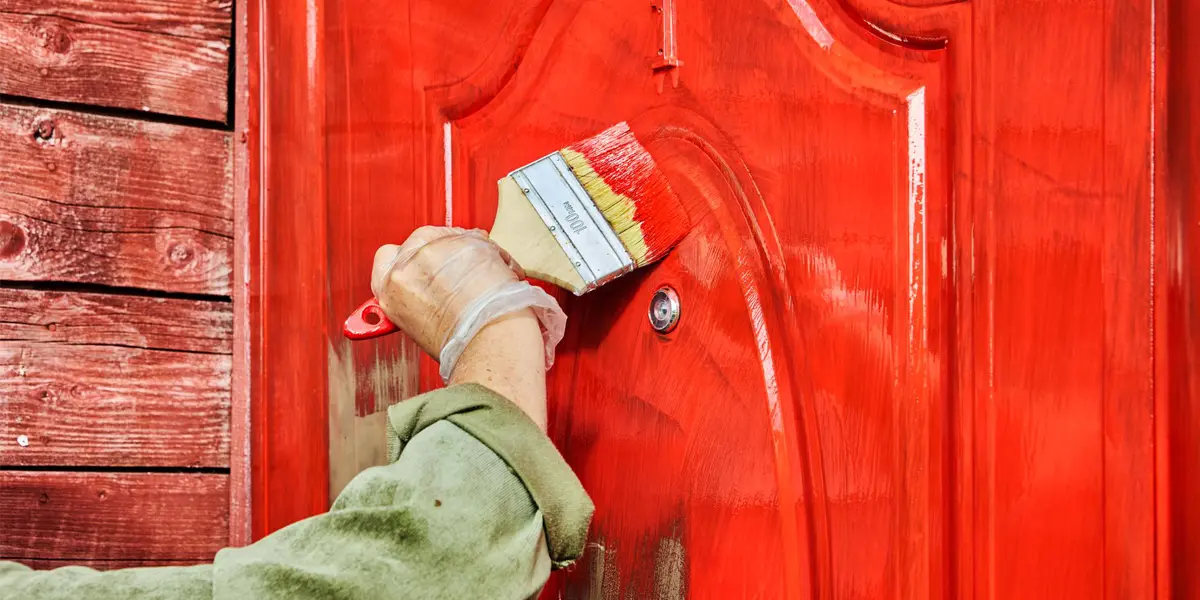
Wood is the most common material used for doors and frames. It’s highly paintable but requires a bit more prep. In this case, before you start painting door frames, Sanding is essential to ensure the surface is smooth and ready to absorb primer and paint. Use wood filler for any cracks or imperfections.
Practical Tip for painting wooden doors:
- Use a primer designed for wood, followed by an acrylic or oil-based paint for durability.
2. Metal Doors and Frames
Metal surfaces, especially aluminium or steel, need proper cleaning and priming to prevent rust and peeling. Painting aluminium door frames or steel ones demands a primer that’s formulated to bond to metal and resist corrosion.
When it comes to painting metal door frames in Australia, exterior doors especially require paints that can withstand the country’s harsh sun and wet weather conditions.
Practical Tip Painting metal door frames in Australia:
- Exterior metal doors especially need paints that can handle harsh sun and wet weather.
3. Glass-Panelled or Sliding Doors
Glass-panelled doors often come with sliding door frames, which can be aluminium or timber. Painting sliding door frames requires careful taping around the glass to prevent smudges and ensure clean edges.
As with any project involving painting door frames, applying multiple thin coats helps achieve a smooth, even, and durable finish.
Practical Tip for Painting sliding door frames:
- Painting sliding door frames can be tricky, especially if the tracks are still in use. Make sure the door is stable and cleaned thoroughly before beginning.
How to Paint Door Frames with Ease
Whether you’re painting doors and frames different colours or giving everything a unified look, following the right process ensures a professional finish.
1. Remove the Hardware
Take off handles, knobs, and hinges. It’ll save you the hassle of masking tape and gives a much neater result. If you’re painting doors and frames different colours, removing the hardware ensures sharper lines and a cleaner separation between surfaces.
2. Clean the Surface
Wipe everything down with sugar soap or a degreaser to get rid of dust, fingerprints, and grease. This is an essential step in how to paint door frames properly, as any leftover residue can affect paint adhesion.
3. Sand Everything Properly
Lightly sand the door and frame with 120–180 grit sandpaper. This helps the primer stick better. Painting door frames on a well-sanded surface leads to a smoother finish and longer-lasting results.
4. Apply Primer
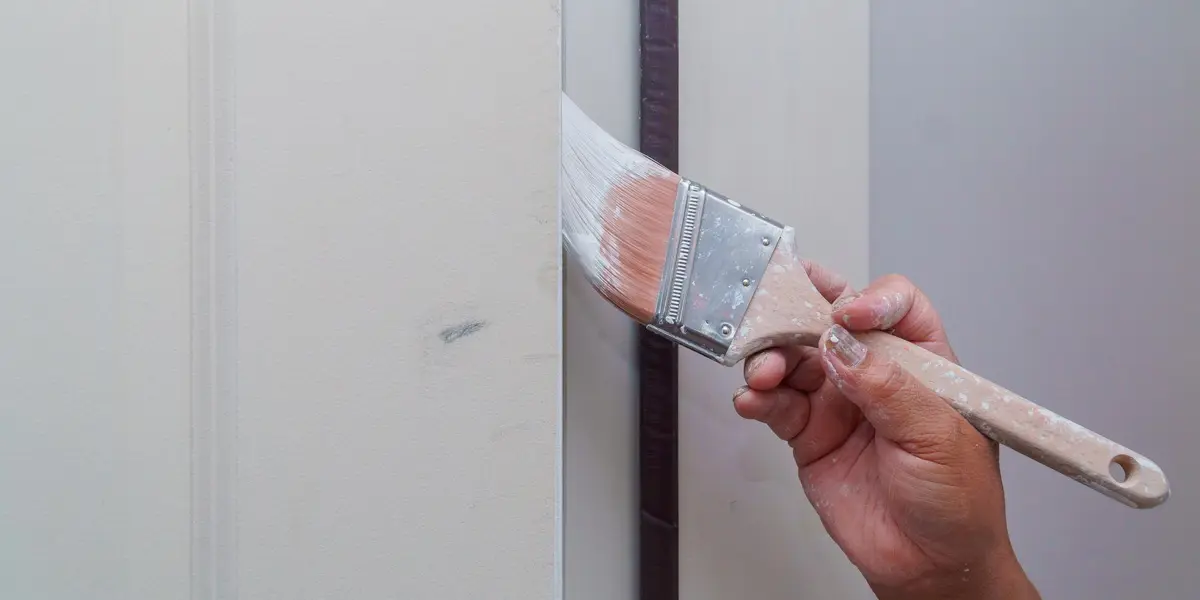
Pick the right primer based on your door type:
· Wood: to painting wooden door frames use an acrylic or shellac-based primer
· Metal: to painting metal door frames go for a rust-inhibiting primer
· Aluminium: to painting aluminium door frames use an etch primer
Let it dry fully, then give it a quick light sand before painting. Surface prep is a key part of how to paint door frames correctly and helps achieve a long-lasting, smooth result.
5. Paint the Door Frame First
Start with the frame so you don’t accidentally leave brush marks on the door — especially handy if the frame and door are different colours.
This is particularly important when painting doors and frames different colours, as it helps you create a clean contrast and avoid overlapping edges.
6. Paint the Door
Use a brush for the edges and any panel details, and a roller for the flat areas. Apply at least two coats, and make sure each one is fully dry before adding the next. A neat finish on the door itself is just as important as when painting door frames, and patience between coats makes a noticeable difference.
7. Put Everything Back Together
Once the paint’s dry, reattach the hardware and hang the door back up. Done!
If you’re looking for expert help, consider professional Door Painting Services In Melbourne to save time and ensure a flawless outcome.
Pro Tips for a Better Finish
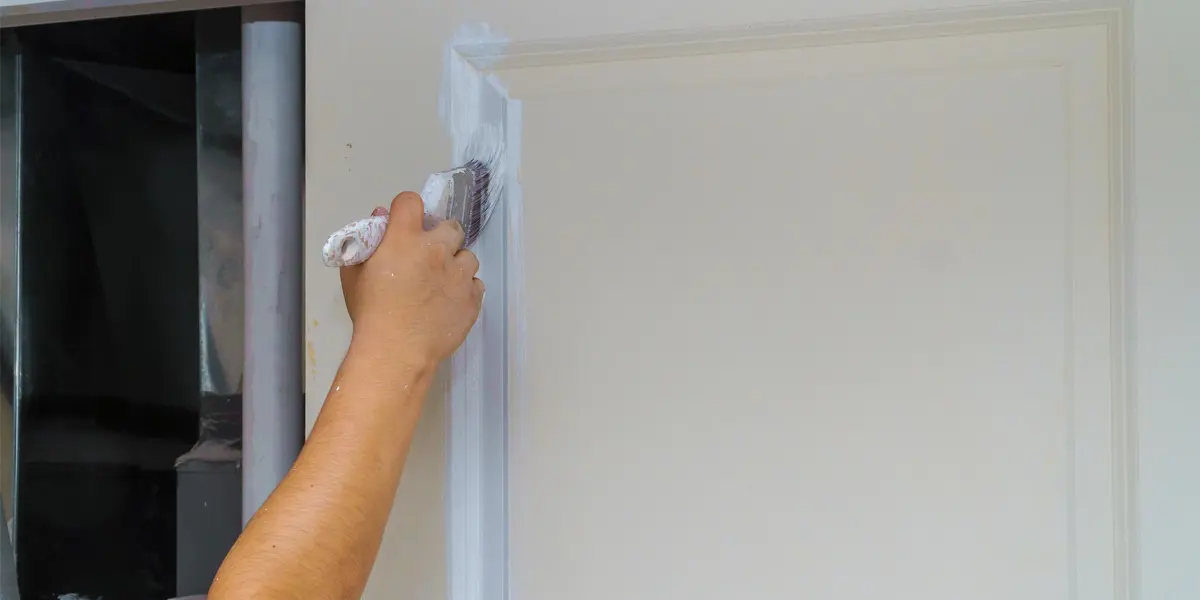
When it comes to painting door frames, proper preparation is the foundation of a flawless finish. Whether you’re painting aluminium door frames or working on exterior surfaces, such as painting metal door frames in Australia, attention to detail is crucial to withstand harsh weather conditions.
For doors with glass panels, like painting sliding door frames, careful cleaning and sanding ensure the paint adheres smoothly without peeling or bubbling.
Don’t Skip the Prep
Sanding and cleaning are often overlooked, but they’re critical to avoid bubbling and flaking.
Watch the Weather
If you’re painting exterior doors or frames, avoid extremely humid or cold days. Ideal conditions are mild and dry.
Use Painter’s Tape Generously
Taping edges and hinges saves time on touch-ups later, especially when painting door frames in contrasting colours.
Mind the Brush Strokes
Always follow the grain (in wood) or long vertical strokes to ensure even application.
Invest in Quality Tools
A good-quality brush or foam roller can make a significant difference in the final texture, especially when painting doors and frames different colours, as it helps achieve clean edges and smooth coverage.
If you’re based in Victoria, Bob House Painting offers expert painting door frames in Melbourne along with a full range of services such as Window Painting Services In Melbourne and Full House Painting in Doncaster.
If you need any help, call us for more information.
Choosing the Right Paint for the Right Door & Climate
Not all paints are created equal—brands like Dulux paint offer products designed to endure moisture and excel in UV protection. Choosing the wrong paint can result in early peeling or colour fade.
● Interior Doors and Frames
Use low-VOC acrylic or enamel paint. These options are durable, dry quickly, and are less prone to yellowing.
● Exterior Doors and Frames
Choose high-quality exterior-grade paint that includes UV stabilisers and moisture resistance.
If you’re painting metal door frames in Australia, especially near the coast, use a rust-proof or marine-grade enamel to stop them from corroding.
● Humid Climates
For Painting door frames in areas with high humidity (like bathrooms or coastal homes), opt for mildew-resistant paint. Semi-gloss or gloss finishes are better as they resist moisture and are easier to clean.
● Dry or Sunny Areas
Use paints with UV blockers. Water-based enamels hold up well and don’t crack under intense sun.
If you’re not sure what type of paint is right for your home, consulting a Melbourne Color Consultant at Bob House Painting can help you choose the perfect shade and finish for your door frames..
Why “Painting Door Frames” Matters More Than You Think
You might assume doors get all the attention, but painting door frames plays a big role in the final aesthetic. A poorly painted frame can make even the most beautifully painted door look unfinished.
Whether you’re tackling painting aluminium door frames, timber ones, or even painting sliding door frames, taking the time to do it right, or hiring experienced professionals, can significantly elevate your home’s look.
Final Thoughts
Now that you know how to paint door frames, from selecting the right materials to applying finishing touches, you’re ready to tackle the project with confidence. Or better yet, let the experts handle it for a seamless finish.
Remember:
- Choose paints based on your door material and local climate.
- Prep work is non-negotiable for a long-lasting result.
- Use smart techniques for a professional-quality appearance.